



Children commonly experience ear, nose, and throat problems. Many of these conditions are mild and improve with routine care, but...
Read More
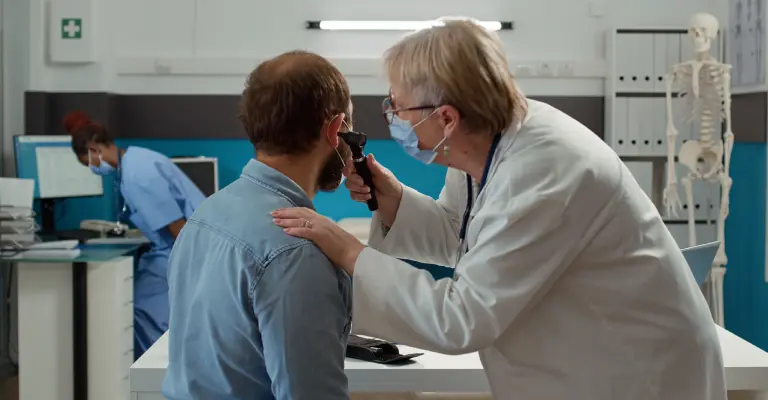
Understanding Hearing Loss, Causes, Symptoms & Treatments
Hearing plays an important role in communication, learning, work, relationships, and everyday life. Hearing loss can develop gradually or occur...
Read More
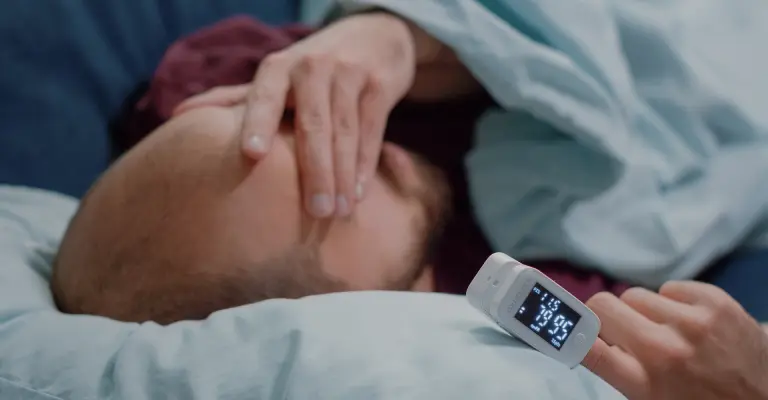
Sleep Apnoea: Symptoms, Diagnosis & Treatment
Sleep apnoea is a common sleep-related breathing disorder in which breathing repeatedly stops or becomes significantly reduced during sleep. These...
Read More
Approach to Care
Dr. Shaswati believes in a patient-centric approach, combining advanced technology with compassionate care. She stays updated with the latest advancements in ENT to provide accurate diagnosis and effective treatment for patients of all age groups.Book an Appointment
Consult Dr. Shaswati Sengupta Datta for expert ENT care and personalized treatment.
Book an AppointmentFrequently Asked Questions
Is loud snoring always a sign of sleep apnoea?
No. While loud snoring is a common symptom, not everyone who snores has sleep apnoea. However, persistent snoring with breathing pauses should be evaluated.
Is Obstructive Sleep Apnoea dangerous?
Yes. If left untreated, OSA can increase the risk of cardiovascular disease, stroke, diabetes, and daytime accidents.
Can Obstructive Sleep Apnoea be cured?
Many patients can achieve excellent control or complete resolution depending on the underlying cause, weight management, CPAP therapy, or appropriate surgery.
How is sleep apnoea diagnosed?
The most reliable test is a sleep study (Polysomnography), which records breathing, oxygen levels, heart rate, and sleep patterns overnight.
Who is at higher risk for OSA?
People who are overweight, have enlarged tonsils, nasal obstruction, a family history of OSA, or chronic snoring are at increased risk.
Is surgery necessary for every patient?
No. Surgery is recommended only when anatomical blockage contributes significantly to the condition or when non-surgical treatments are ineffective or unsuitable.