


Obstructive Sleep Apnoea (OSA)
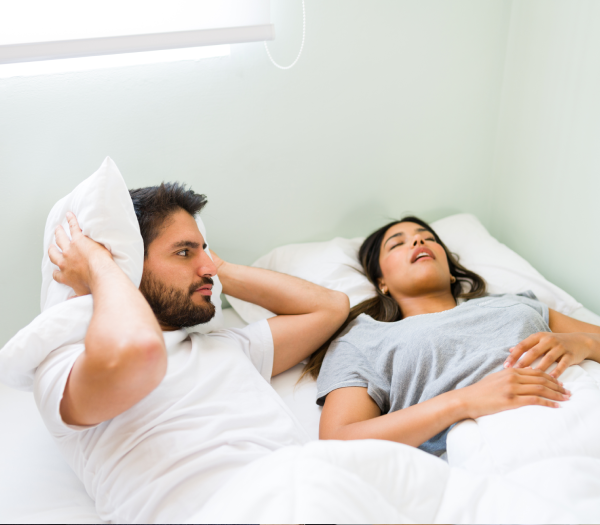
Obstructive Sleep Apnoea (OSA) is a common sleep disorder in which breathing repeatedly stops and starts during sleep due to partial or complete blockage of the upper airway. These interruptions reduce oxygen levels, disturb sleep quality, and force the brain to briefly wake the body to restore normal breathing. Many people with OSA are unaware of these episodes, but untreated sleep apnoea can significantly affect overall health and quality of life.
Early diagnosis and appropriate treatment can help restore restful sleep, improve daytime energy, and reduce the risk of serious health complications.
What Causes Obstructive Sleep Apnoea?
OSA occurs when the muscles supporting the soft tissues in the throat relax excessively during sleep, causing the airway to narrow or collapse.
Common risk factors include:
- Excess body weight or obesity
- Large tonsils or adenoids
- Narrow airway structure
- Deviated nasal septum or chronic nasal blockage
- Large tongue or enlarged soft palate
- Family history of sleep apnoea
- Smoking and alcohol consumption
- Increasing age
- Male gender (though women can also develop OSA)
Symptoms
If you experience any of the following symptoms, you may be suffering from Obstructive Sleep Apnoea:
- Loud, persistent snoring
- Witnessed pauses in breathing during sleep
- Gasping or choking while asleep
- Excessive daytime sleepiness
- Morning headaches
- Dry mouth upon waking
- Difficulty concentrating
- Memory problems
- Irritability or mood changes
- Poor quality sleep
- Frequent nighttime urination
Why Should OSA Not Be Ignored?
Untreated Obstructive Sleep Apnoea may increase the risk of:
- High blood pressure
- Heart disease
- Stroke
- Diabetes
- Irregular heartbeat
- Depression and anxiety
- Poor work performance
- Road traffic accidents due to daytime drowsiness
Diagnosis
An ENT specialist performs a comprehensive evaluation that may include:
- Detailed medical history
- Physical examination of the nose, throat, and airway
- Nasal endoscopy
- Flexible sleep endoscopy (selected cases)
- Sleep Study (Polysomnography)
- Home Sleep Apnoea Test (when appropriate)
- Imaging studies if required
A sleep study measures breathing patterns, oxygen levels, heart rate, and sleep stages to determine the severity of OSA.
Treatment Options
Treatment depends on the severity and underlying cause.
CPAP Therapy
Continuous Positive Airway Pressure (CPAP) is considered the gold standard treatment for moderate to severe OSA. It delivers pressurized air through a mask to keep the airway open during sleep.
Oral Appliances
Custom-made oral devices reposition the jaw or tongue to prevent airway blockage in selected patients with mild to moderate sleep apnoea.
ENT Surgical Treatments
Surgery may be recommended when anatomical obstruction is present or when CPAP therapy is not tolerated.
Lifestyle Changes
- Weight reduction
- Regular exercise
- Sleeping on your side
- Avoiding alcohol before bedtime
- Smoking cessation
- Maintaining good sleep hygiene
When Should You Consult an ENT Specialist?
Seek medical advice if you:
- Snore loudly every night
- Frequently wake up gasping for breath
- Feel excessively sleepy during the day
- Experience poor concentration or memory issues
- Have uncontrolled hypertension with loud snoring
- Have been told you stop breathing while sleeping
Early evaluation can help prevent long-term health complications.
Benefits of Early Treatment
- Better sleep quality
- Increased daytime alertness
- Improved concentration and memory
- Reduced snoring
- Lower risk of heart disease and stroke
- Better blood pressure control
- Improved overall quality of life
Book an Appointment
If you or a loved one experiences loud snoring, interrupted sleep, or excessive daytime sleepiness, consult an experienced ENT specialist for a comprehensive evaluation. Early diagnosis and personalised treatment can help you enjoy healthier, safer, and more restful sleep.
Book an AppointmentFrequently Asked Questions
Is loud snoring always a sign of sleep apnoea?
No. While loud snoring is a common symptom, not everyone who snores has sleep apnoea. However, persistent snoring with breathing pauses should be evaluated.
Is Obstructive Sleep Apnoea dangerous?
Yes. If left untreated, OSA can increase the risk of cardiovascular disease, stroke, diabetes, and daytime accidents.
Can Obstructive Sleep Apnoea be cured?
Many patients can achieve excellent control or complete resolution depending on the underlying cause, weight management, CPAP therapy, or appropriate surgery.
How is sleep apnoea diagnosed?
The most reliable test is a sleep study (Polysomnography), which records breathing, oxygen levels, heart rate, and sleep patterns overnight.
Who is at higher risk for OSA?
People who are overweight, have enlarged tonsils, nasal obstruction, a family history of OSA, or chronic snoring are at increased risk.
Is surgery necessary for every patient?
No. Surgery is recommended only when anatomical blockage contributes significantly to the condition or when non-surgical treatments are ineffective or unsuitable.